Glass that
comes alive.
The M Series is a transparent LED display that bonds directly to glass. No frame, no cabinet, no structural changes. Three models cover every viewing distance, from close-range retail to large-scale architectural installations.
Three models. One decision.
Each model shares the same core technology and installation method. The difference is pixel pitch, which determines how close your viewers can stand before individual pixels become visible.
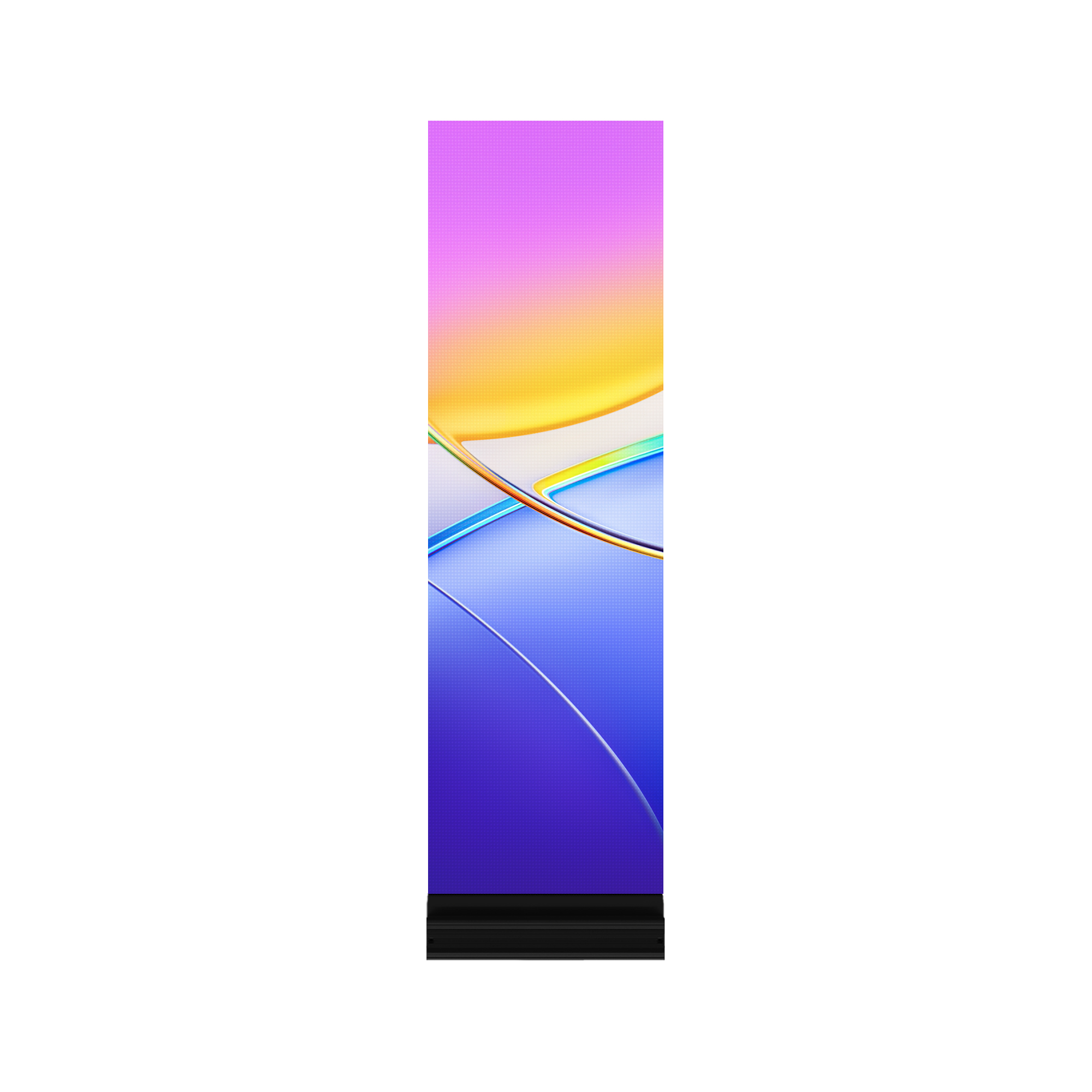
The finest pixel pitch in the range. Designed for spaces where viewers stand 2 to 4 metres from the glass, the M2 delivers sharp, detailed imagery at 85% transparency. Retail windows, showrooms, and hotel lobbies.
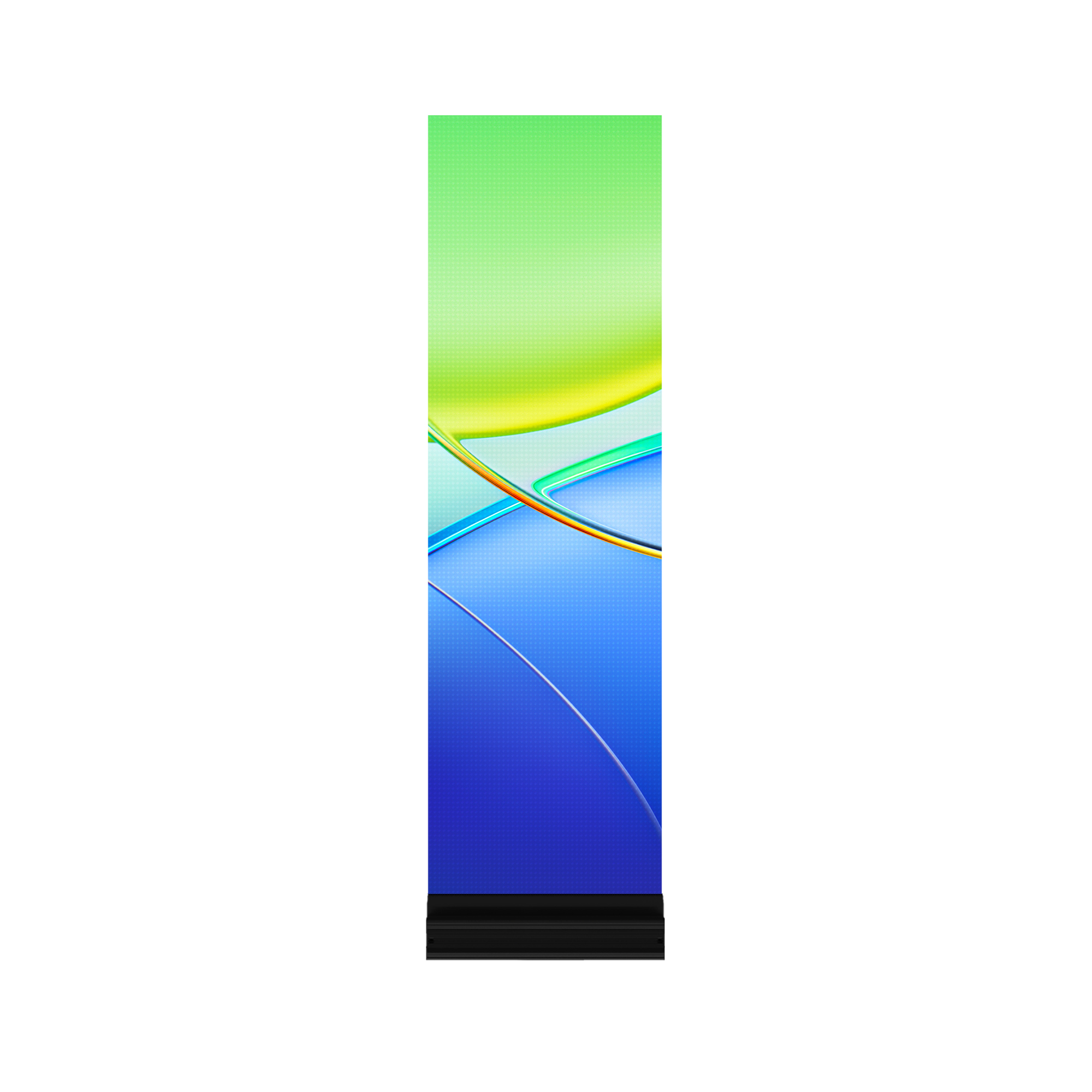
The most versatile model. At 92% transparency and 4,500 cd/m² brightness, it suits mid-range viewing distances of 4 to 8 metres. Glass curtain walls, airport atriums, and exhibition spaces.
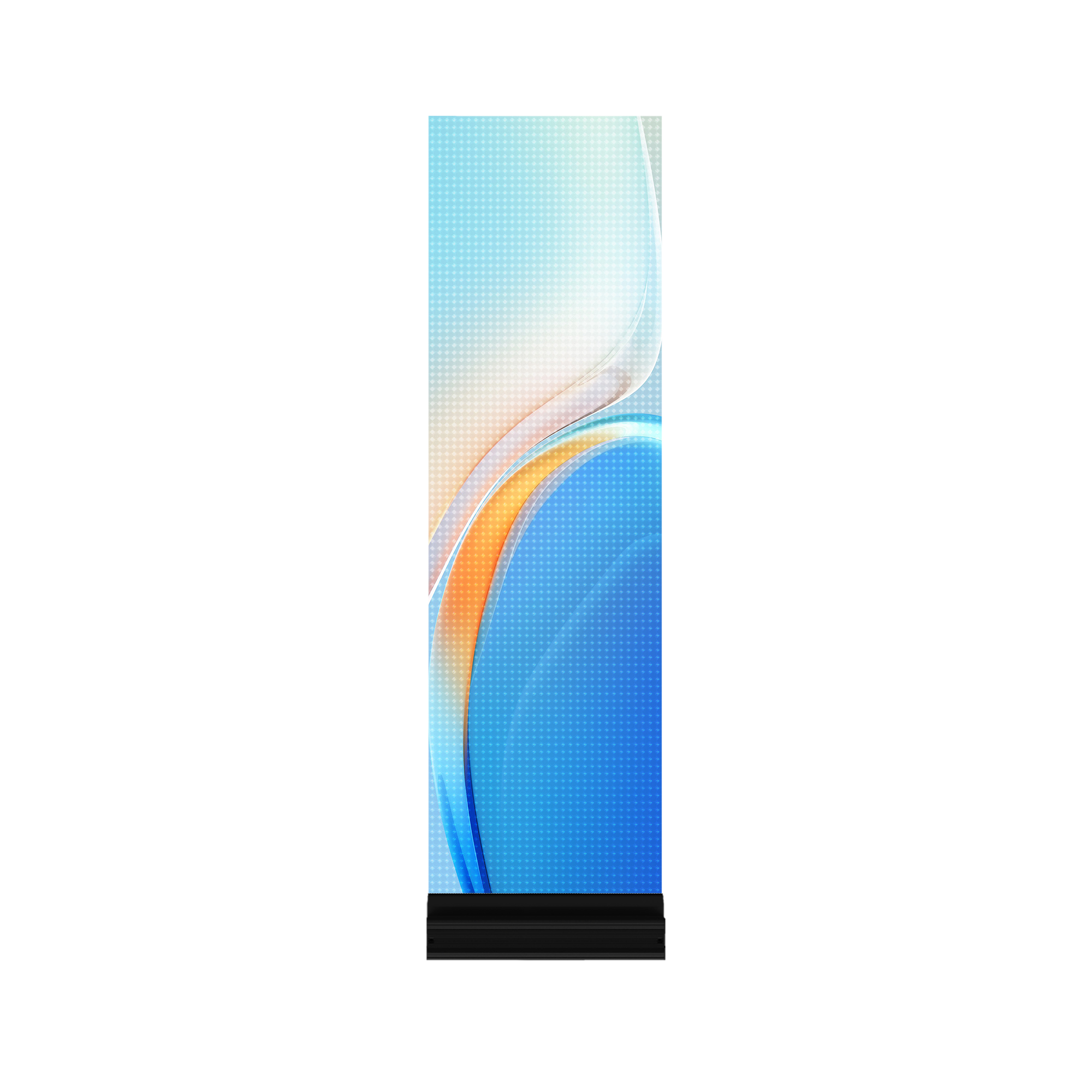
The architectural choice. At 95% transparency, the glass behind the screen is almost entirely visible. Up to 5,000 cd/m² and the lowest power draw in the range make it the right pick for large-scale facades.
Full range comparison
Not sure which model fits your project? This table covers the key decision points.
| Parameter | M2 | M3 | M6 |
|---|---|---|---|
| Pixel Pitch | 2.5mm | 3.91mm | 6.25mm |
| Pixel Density | 160,000 dot/m² | 65,536 dot/m² | 25,600 dot/m² |
| Transparency | 85% | 92% | 95% |
| Peak Brightness | 1,500 cd/m² | 4,500 cd/m² | 5,000 cd/m² |
| Min Avg Power | 350 W/m² | 166 W/m² | 176 W/m² |
| Ideal Viewing Distance | 2 to 4m | 4 to 8m | 6m and beyond |
| Module Width | 125mm | 250mm | 250mm |
| Module Length Options | 3 | 4 | 4 |
| LED Spec | 1515 | 2121 | 2121 |
| Frame Rate | 60 to 120 Hz across all models | ||
| Lifespan | 100,000 hours across all models | ||
| Control System | Colorlight and NovaStar across all models | ||
| Full Specifications | View M2 | View M3 | View M6 |
From glass to display in four steps
No structural engineer, no cabinet, no planning permission. A trained installer can complete a standard shopfront in a single day.
Prepare the glass
The glass must be fully white, tempered, and rated to 300°C. Clean and dry before application. Curved glass is supported down to a 750mm minimum radius.
Fix the power box
A backing board is fixed to the glass, the control box secured to it, and the signal and cascade cables connected. No drilling into the building structure required.
Apply the modules
Modules peel and press directly onto the glass from a level reference line. They splice seamlessly in any direction with no limit on width or height coverage.
Connect and configure
HDMI and signal cables connect to the controller. Configuration software loads from the supplied USB. Module A and B config files are sent separately and the screen is ready.
Reuse up to three times
Modules can be cleanly removed with distilled water, dried, and reapplied for up to three full installation cycles. Ideal for temporary or relocatable display installations.
Maintain and monitor
Monthly dust removal with an anti-static brush, quarterly cable checks, and a pre-heating cycle if the screen has been off for more than two weeks. That is the full maintenance requirement.
Built for any glass surface
If there is glass and an audience, the M Series belongs there.
Not sure which model is right for your space?
Tell us about the glass, the viewing distance, and the environment. We will recommend the right model and put a quote together.